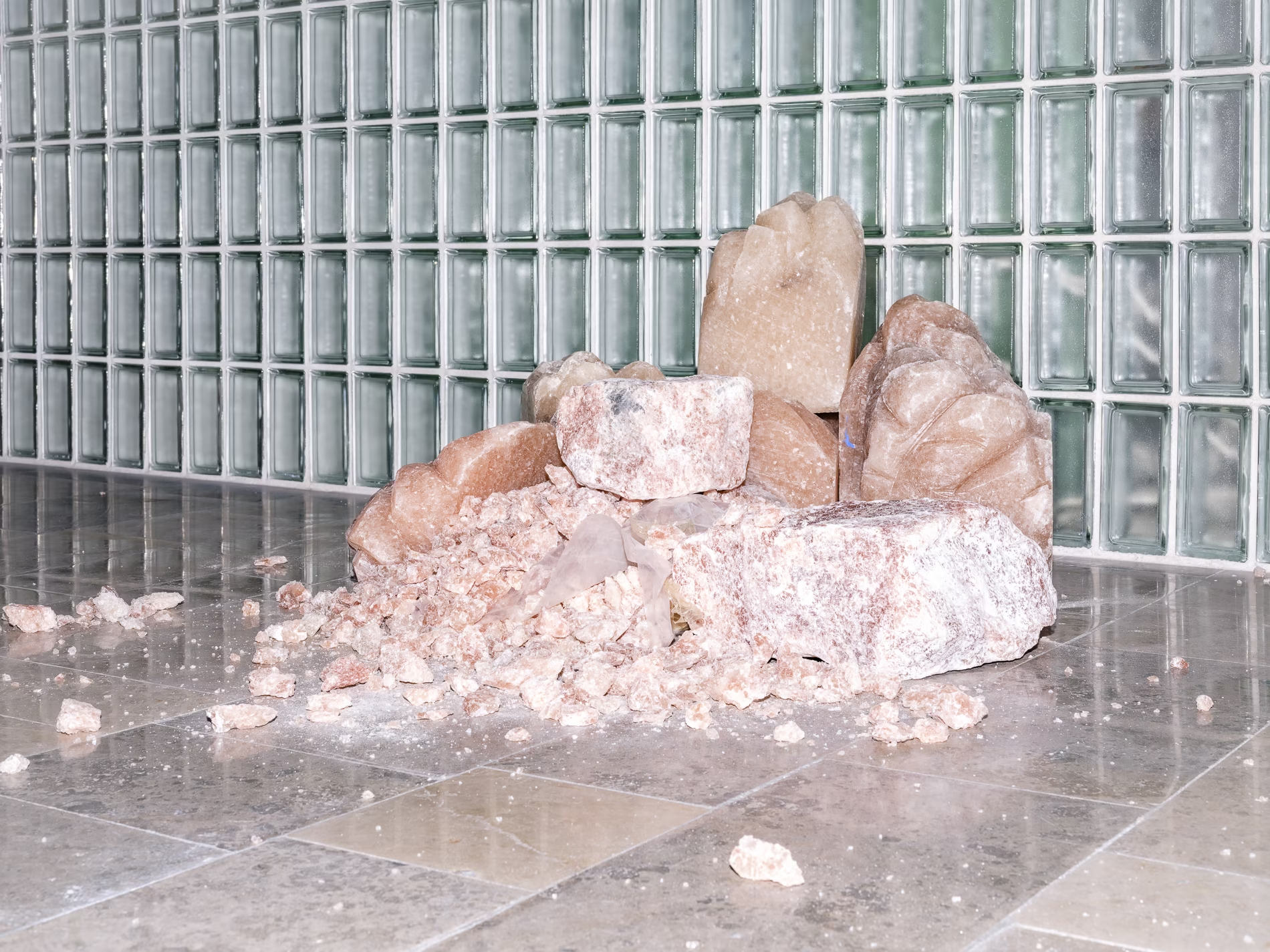
The Lifery: Spring Season
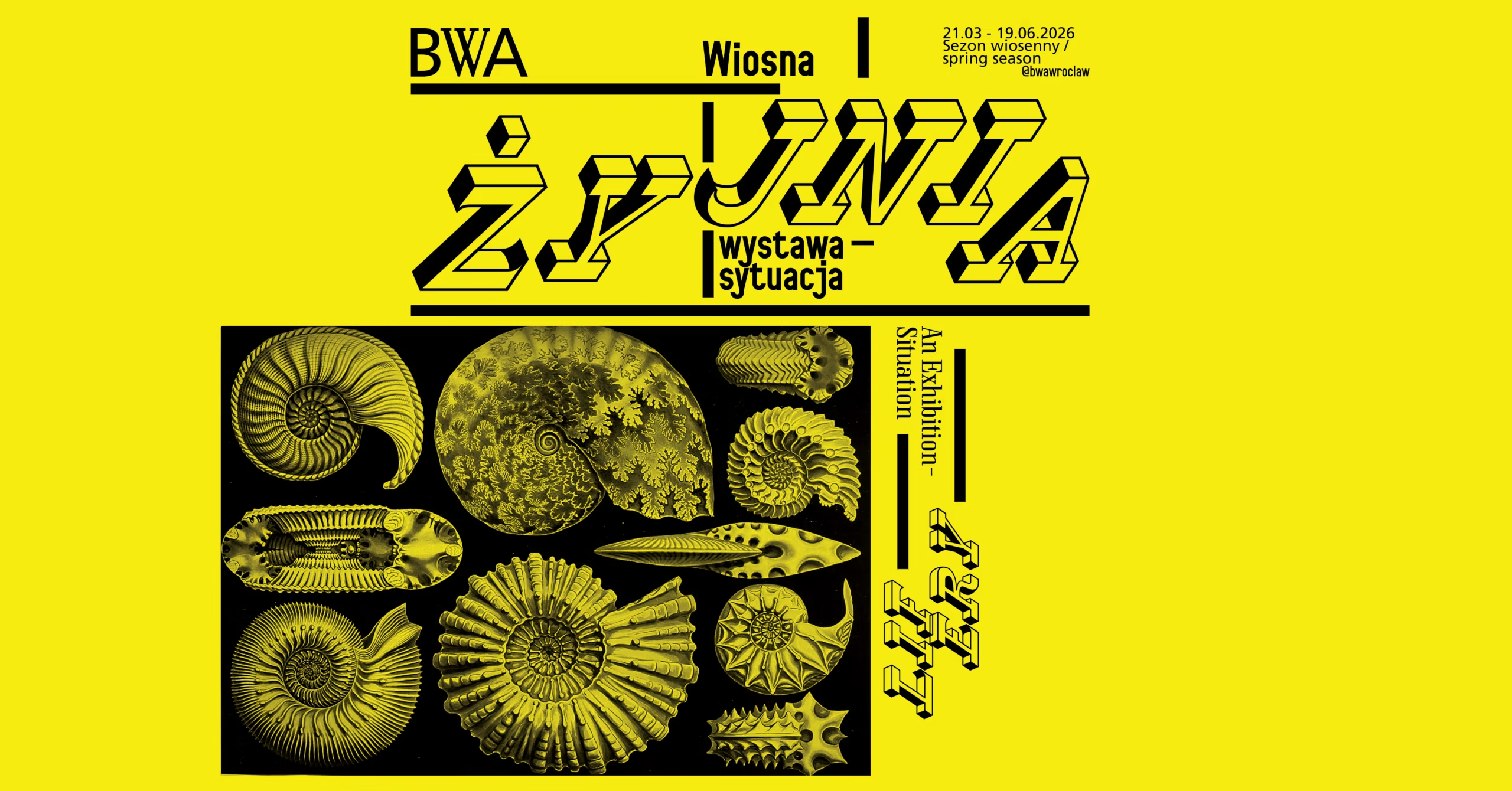
The Lifery—an exhibition-situation conceived by Katarzyna Roj and inaugurated at BWA Wrocław in January of this year—is now entering its spring season. Prepared by photographer and documentary filmmaker Karol Pałka, the spring season will symbolically transport us to Rabka-Zdrój. This will not, however, be a sentimental journey, but a path guided by reflections on the dual nature of the sanatorium. The inauguration of the spring season will take place on Saturday, March 21, at 5:00 p.m.
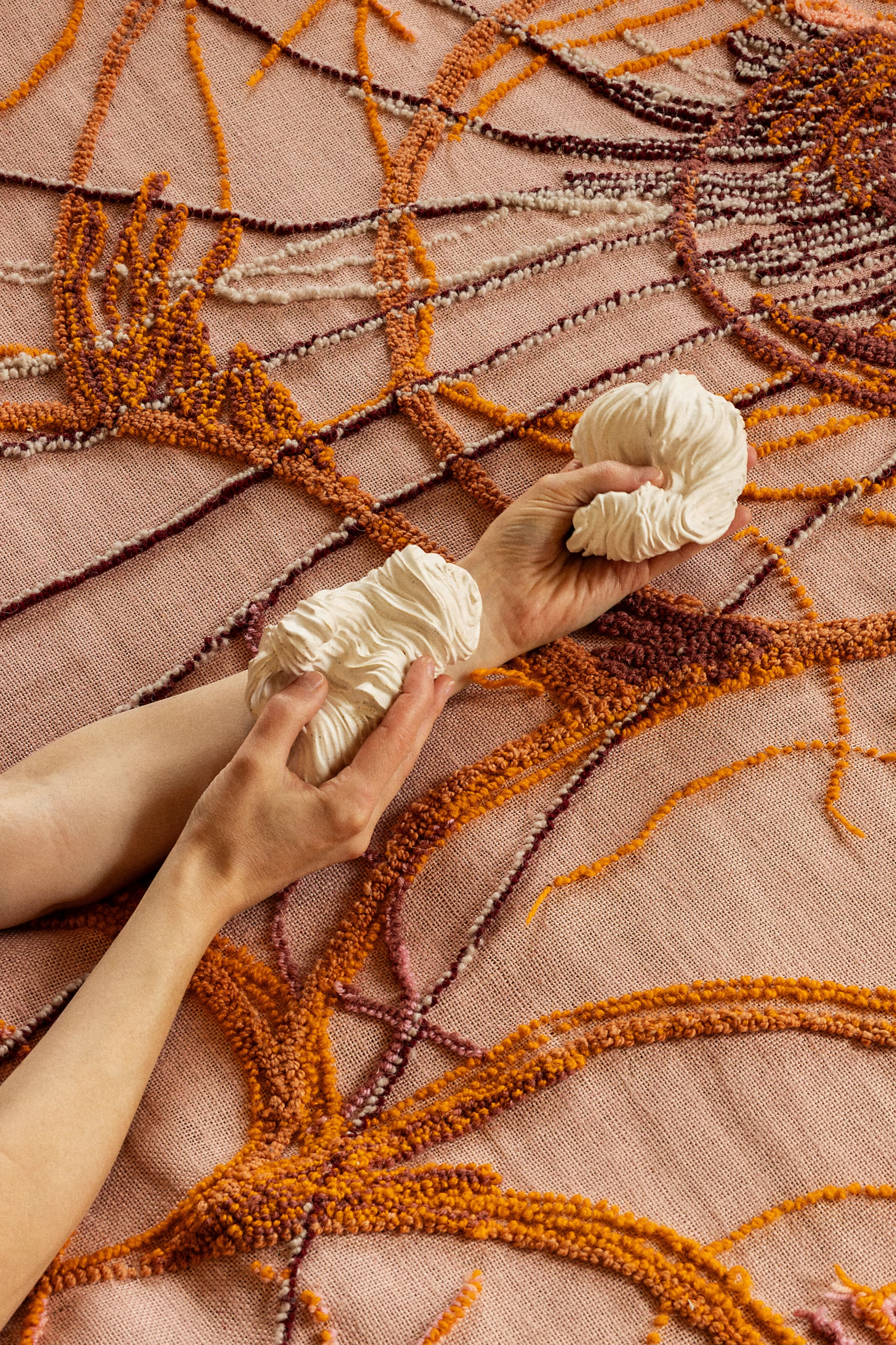
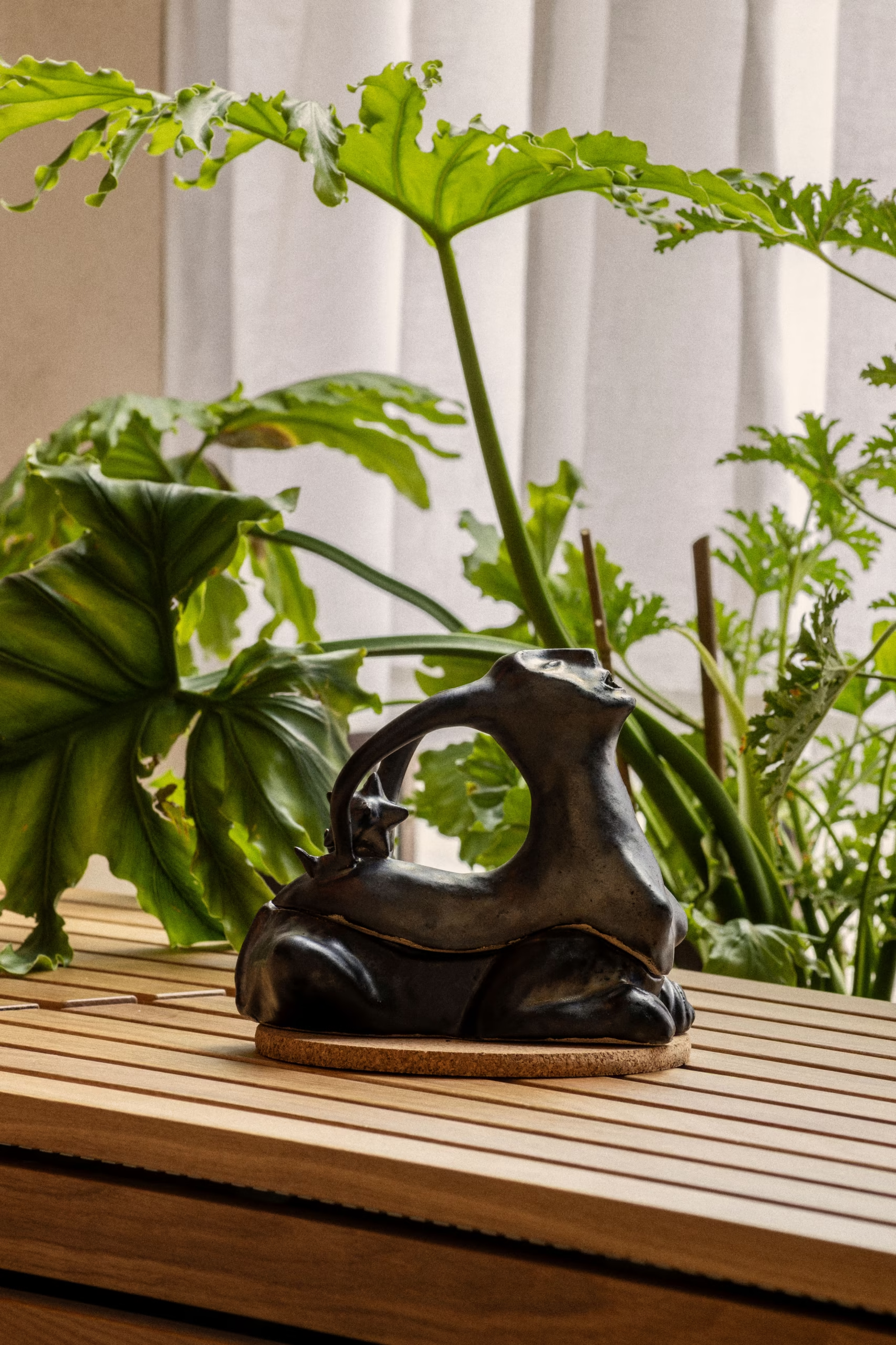
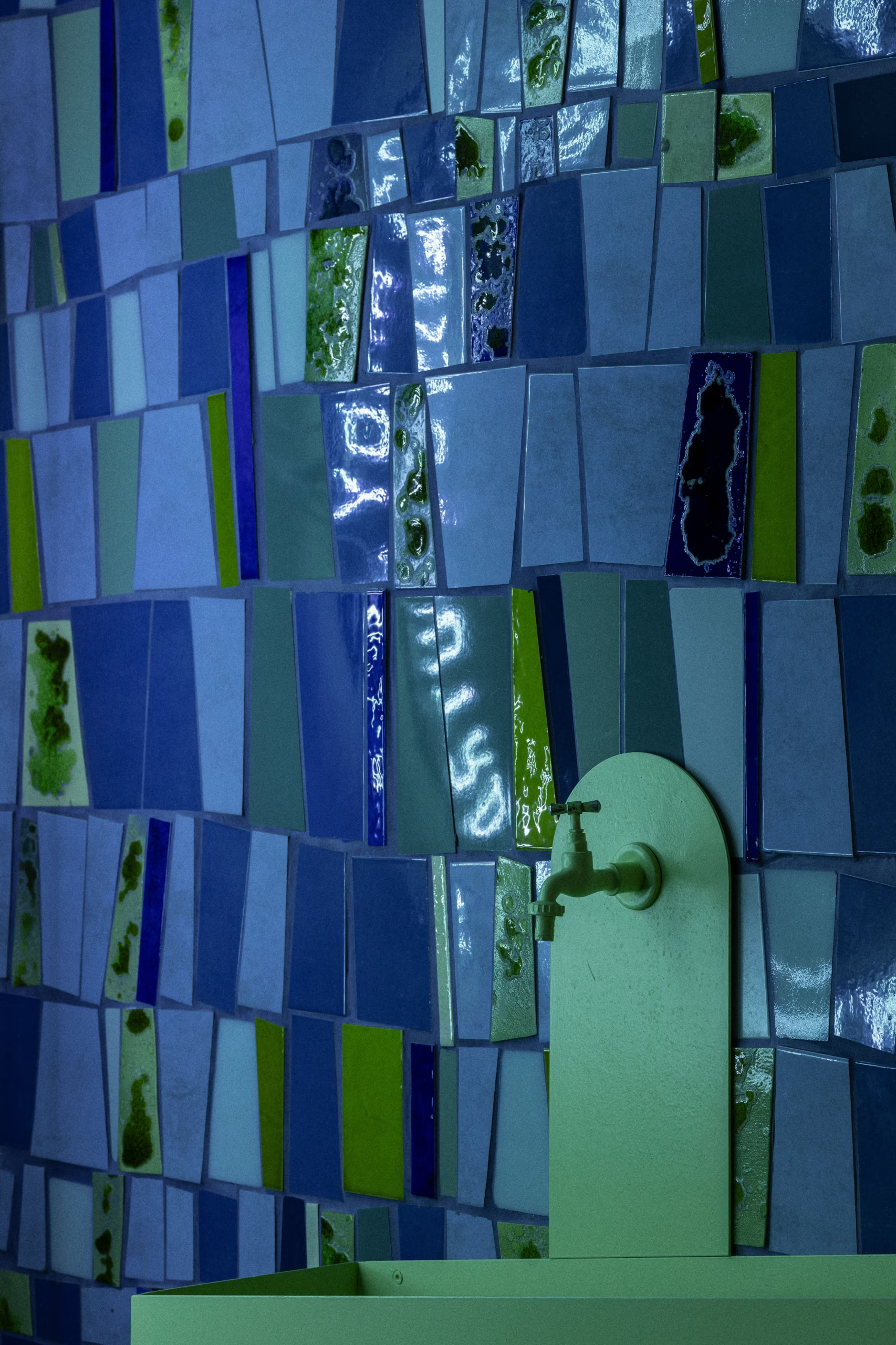
The Lifery as an exhibition-situation resembles a living organism, subject to internal rhythms of decay and renewal as well as cycles of nature. Since its opening, it has developed with the participation of a number of artists, invited to collaborate by Katarzyna Roj, curator of its winter edition. Some works—installations, objects, projects, photographs, and essays—will remain in the gallery permanently, revealing their potential over time. Others will establish symbolic portals allowing imaginary journeys to various places, landscapes, and spa palaces. Inspiration drawn from the idea of the sanatorium has been present in the gallery space since 2019, even before its reconstruction, when The Lifery functioned as a chamber in which visitors could embrace rest and participate in intimate events and artistic interventions.
The Dual Nature of the Sanatorium
With the arrival of spring, Karol Pałka, photographer, documentary filmmaker, and curator of the spring season at The Lifery, will take us on a journey to his hometown of Rabka-Zdrój. The artist conducted field research, initiating a collaboration with the Jan and Irena Rudnik Institute of Tuberculosis and Lung Diseases, through which he learned the stories of individuals who had been sent to the local sanatorium during their childhood. To this day, many of them return to Rabka-Zdrój not only in memory but in person. Former patients come to the spa town, seeking contact with nurses and sanatorium staff from bygone years. They return to old photographs and moments when friendships were first formed. To experiences which made them recall this period—marked by illness, by childhood disrupted—as one of the most significant of their lives.
In Rabka-Zdrój, Karol Pałka, with the help of Institute staff and accompanying artists, unearthed various artifacts, tools, and objects: metal bronchoscopes used for examining the respiratory system, on which traces of children’s teeth are still visible, prototypes of posture correction devices, and photographs of the Institute’s generally inaccessible interiors. These objects and archives became the basis for work by the artists, and subsequently part of the exhibition.
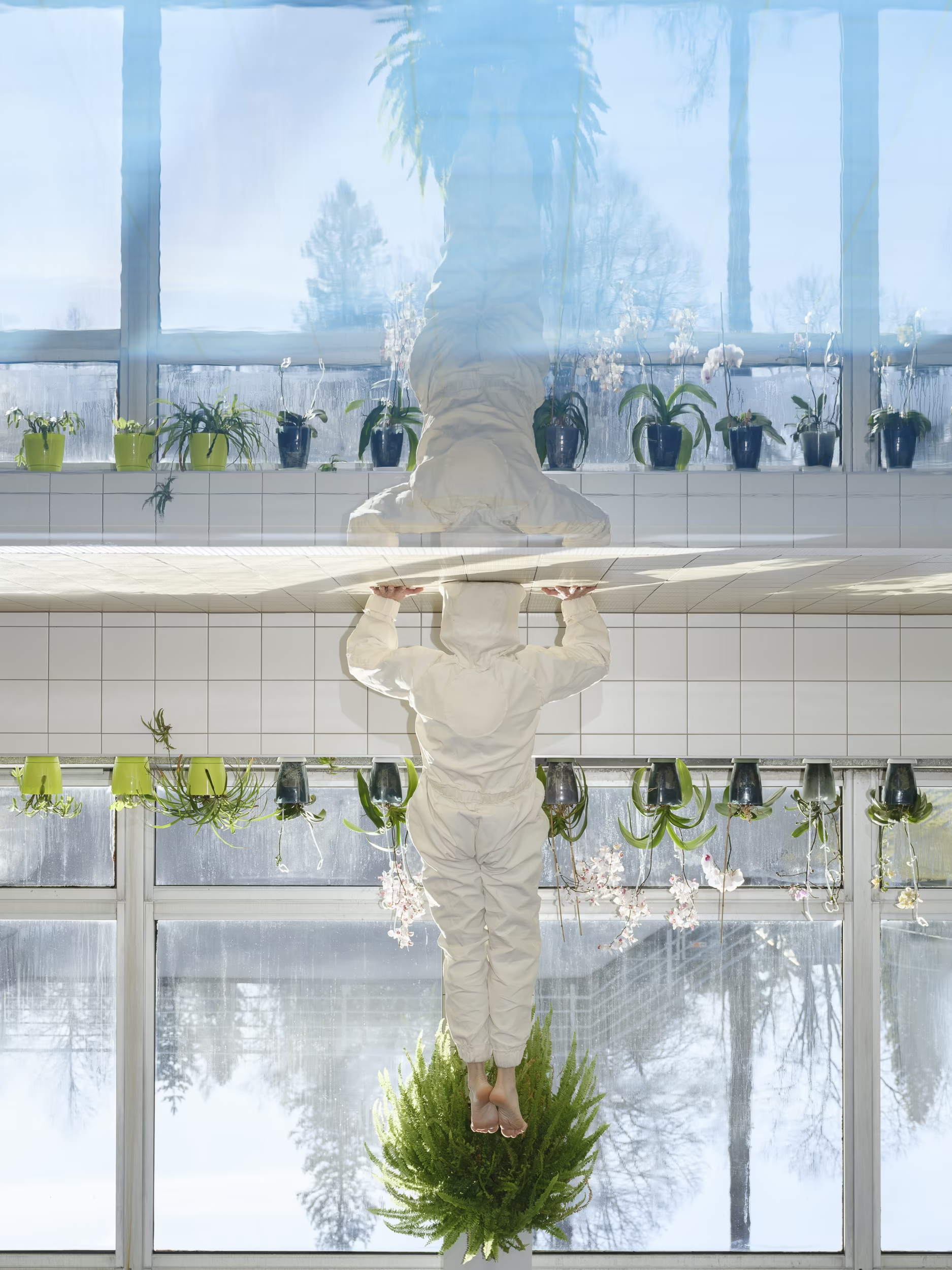
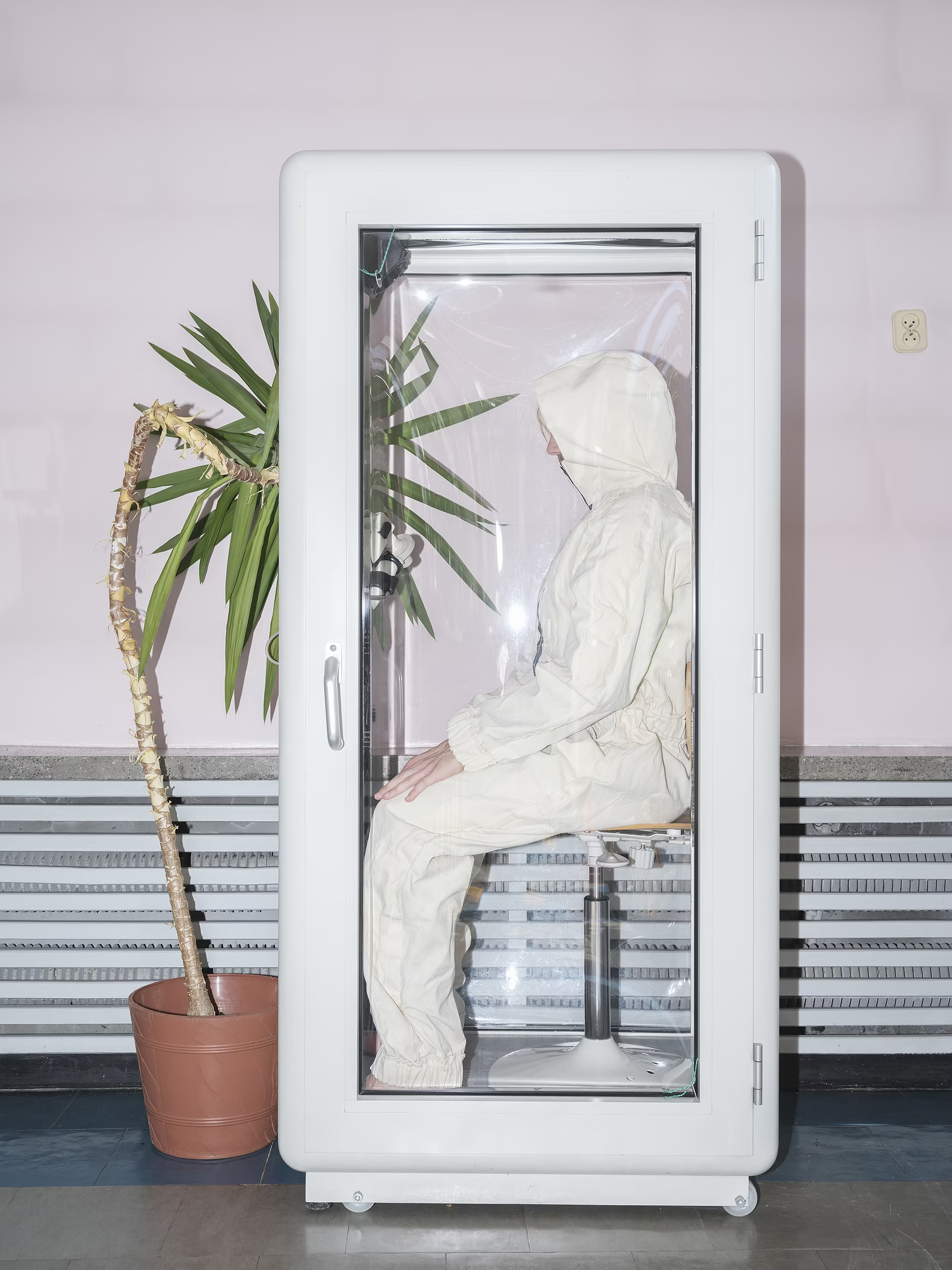
The return to Rabka-Zdrój is not, however, a sentimental journey, but a path guided by reflections on the dual nature of the sanatorium. The Lifery in the spring season will not therefore reconstruct the familiar spa town, but rather convey its atmosphere, in which the concept of healing through sunlight, fresh air, and order was bound up with the experience of childhood illness, convalescence, and the strict discipline of regimented treatment.
The Promise of Renewal, and its Shadow
The spring season exhibition will also meditate on the promise of renewal and its shadow, refracted through the idea of modernism and its architecture. The spa landscape of Rabka-Zdrój is marked by examples of the latter, both pre- and postwar. Built in the spirit of modernism, the sanatorium was designed to restore harmony through rhythm, discipline, and proportion.
Between the light of the loggia and the shadow of the corridor, subtle structures of surveillance exposed bodies to an experiment in which movement encountered stillness, health was entwined with illness, activity with rest, and discipline with freedom. This is a space inscribed with tensions and mechanisms of control,”
Karol Pałka explains.
From this tension and conflict, an awakening was born. An openness to the potential of transformation, palpable this spring at The Lifery BWA Wrocław.
During the opening, on March 21, the Ukojenie Collective (Zuzanna Kofta, Małgorzata Wrzosek) will perform songs of springtime. The event program will also include a ritual beating of hay mattresses and a feast of ferments from the winter pantry of Tomasz Hartman (Food Think Tank).
- Curator of The Lifery spring season: Karol Pałka
- Creator of the gallery concept: Katarzyna Roj
- Artists participating in the spring season: Edna Baud, Przemek Branas, Olaf Brzeski, Hubert Czerepok, Krzysztof Gil, Simone De Iacobis (Centrala), Marcin Janusz, Iwona Kałuża, Zuzanna Kofta (Ukojenie), Natalia Kubacka, Małgorzata Kuciewicz (Centrala), Hanna Linkowska, Magdalena Maros, Marian Misiak, Bartosz Mucha, Marta Niedbał, Paweł Olszczyński, Karol Pałka, Stefan Paruch, Katarzyna Przezwańska, Filip Rybkowski, Anna Sztwiertnia, Małgorzata Wrzosek (Ukojenie) i Alicja Wysocka
- Visual identification and communication: Marian Misiak in collaboration with Natalia Kubacka
- Production: Monika Muszyńska, Małgorzata Sobolewska, Joanna Sokalska
- Assembly: Daria Chraścina, Jakub Jakubowicz, Daniel Mroczyński
- Accessibility coordination: Magdalena Weber
- Promotion: Joanna Glinkowska, Agata Kalinowska, Berenika Nikodemska, Żaneta Wańczyk
- Editorial oversight: Joanna Osiewicz-Lorenzutti
- English translation: Stefan Lorenzutti and Joanna Osiewicz-Lorenzutti
- Partners: Eugeniusz Geppert Academy of Art and Design in Wrocław, Koleje Dolnośląskie S.A.
- Media patrons: Radio RAM, Radio Wrocław, Radio Wrocław Kultura, TVP3 Wrocław, TVP Info, TVP Kultura, Pismo Artystyczne Format, Notes Na 6 Tygodni, Magazyn Szum, Miej Miejsce, Magazyn Mint
- BWA Wrocław Director: Maciej Bujko